Dry skin regimens are structured skincare routines designed to restore moisture, strengthen the skin barrier, and reduce tightness and flaking through consistent hydration and gentle care. The right 10 dry skin regimens combine hydrating cleansers, barrier-repairing moisturizers, and protective steps that work together to transform dehydrated skin into a soft, comfortable complexion when followed daily at home.
Key takeaways
- Dry skin regimens require consistency with gentle cleansing, immediate moisturizing on damp skin, and daily hydration from within to see visible improvements over 2-4 weeks
- The best face wash for dry skin should be creamy and hydrating with soothing ingredients like mugwort and niacinamide, never foaming formulas that strip natural oils
- Barrier-repairing moisturizers with ceramides and natural oils applied twice daily help lock in moisture and reduce the tight, flaky texture characteristic of dry skin
- Environmental protection through lukewarm water, humidifiers, and avoiding harsh weather exposure prevents moisture loss and supports long-term skin health
- Gentle exfoliation once or twice weekly removes dead skin buildup without irritation, allowing moisturizers to penetrate better and improve overall texture
Tight, flaky, uncomfortable: When not taken care of, dry skin can be tight, flaky and uncomfortable. Adherence to proper Dry Skin Regimens in the house can aid in restoring the humidity, enhancing the skin texture, and keeping the skin healthy without having to resort to costly procedures. Consistency, tender handling, and proper ingredients are the keys.
You can also explore high-quality skincare products from Minskinn to support your routine with the right ingredients.
Moreover, to get long-term outcomes, it is necessary to know the particular needs of your skin. The dry skin needs a lot of hydration combined with nourishment and protection to restore its own natural barrier. With the help of using products with a high concentration of moisturizing substances and the lack of rough chemicals, you may slowly make your skin more resilient. Simple daily routines like putting a moisturizer on wet skin and hydrating may yield positive results, especially in the long-term.
In this guide, we will discuss useful, simple to follow skincare routines that can turn your skin into a naturally beautiful one.
Learning to take care of dry skin and its needs
The skin is dry and does not have enough moisture and natural oils, which undermine the skin barrier. This may cause irritation, dullness and sensitivity. Good Dry Skin Regimens are all about hydrating, nourishing and protecting the skin to restore the natural defense mechanism of the skin.
Dryness can be aggravated by factors such as weather, harsh cleansers and dehydration. Home care can help alleviate these complications.
1. Gentle Cleansing is the First Step
In the case of dry skin, rough cleansing may cause more harm than good. You desire something mild that does not make your skin tight and uncomfortable. This is best done with a creamy cleanser or hydrating cleanser.
In case you are doing some research, it can be quite beneficial to learn Mugwort face cleanser benefits . Mugwort is also reputed to soothe the skin and decrease irritation and therefore is a good option when your skin is sensitive or prone to irritation.
2. Have a Routine
Being inconsistent with their skincare is one of the biggest mistakes that people make. With the help of a basic Dry Skin Regimens routine, which is taken daily, results can be observed over the course of time. It does not need to be too complex--just regular. If you want a step-by-step guide, check out this detailed article on building the perfect skincare routine for dry skin to get started with the right approach.
A good Dry skin care routine at home will ensure that your skin is kept hydrated and balanced during the day. As soon as you get used to it, your skin begins to react much better.
3. Hydration Begins In
Skincare is more than what you put on your face. It is also important to drink sufficient amounts of water. With a hydrated body, the skin automatically appears healthier and less drab.
It can also be added by adding fruits and vegetables rich in water. Such little daily routines will go far in bettering your skin.
4. Apply Skin Barrier Repairing Moisturizers
When you have dry skin, a good moisturizer is essential. It assists in trapping moisture and avoiding that rough/flaky skin texture. Find ingredients that aid your skin barrier.
Ceramide moisturizer for dry skin can be particularly useful with dry skin. Ceramides build up the skin barrier and retain moisture which makes your skin feel softer and smoother with time.
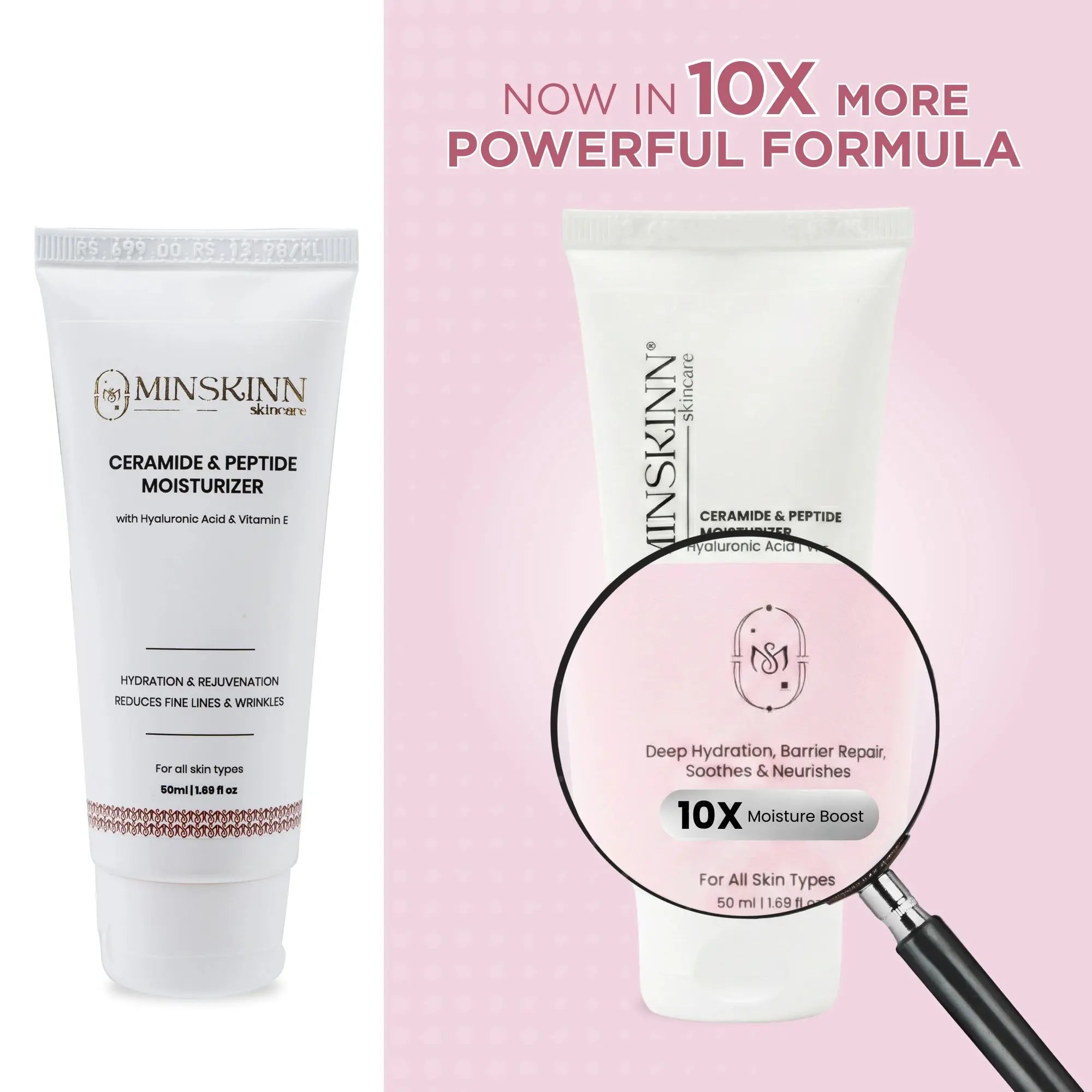
When choosing a moisturizer, consider dry skin essentials designed for hydration and barrier repair to support long-term moisture retention.
5. Incorporate Natural Ingredients
The most basic solutions can be the most efficient in some cases. Coconut or almond oils are natural oils that can be used extensively to nourish and provide the skin with much-needed moisture.
That is why most individuals like Natural remedies for dry skin . They are simple to apply, non-irritating to the skin and can be incorporated into your daily routine with minimal effort.
6. Avoid Hot Water
Hot showers may be soothing, but they may also dehydrate your skin, and strip it of natural oils. The difference can be made by switching to lukewarm water.
Following the shower, attempt to put on moisturizer when the skin is a bit wet. It assists in retaining moisture.
7. Exfoliate Gently
Exfoliating can also be used to scrub off dead skin and feel the skin appearing smoother. But less is more with dry skin. Excessive use may cause irritation.
Exfoliation Stick to mild exfoliation once or twice a week to maintain the appearance of your skin without injuring it.
8. Take Care of Your Skin against Environmental Damage
Dryness can be aggravated by external conditions such as wind, sun and cold weather. Doing some additional measures to cover your skin can do wonders.
Adding this to your Dry Skin Regimens will make sure that your skin remains healthy and will not lose its moisture easily.
9. Use Humidifiers Indoors
Your skin may feel drier when in the indoor air (AC, or in winter). A humidifier replenishes the moisture into the air and keeps your skin comfortable.
It is a mere addition to your space, yet it can significantly help to change the way your skin feels in day-to-day life.
10. Be consistent and patient
When it comes to skincare, it must be consistent. It will not show results instantly, but with proper scheduling of Dry Skin Regimens, your skin will look and feel better with time.
Tolerance, along with the appropriate habits, results in the long-term outcome.
Conclusion
It does not have to be complex or costly to take care of dry skin. Healthy, hydrated skin can be delivered to your home with the right habits and consistency. The trick here is to concentrate on light cleansing, hydration and guarding your skin against environmental stressors.
Through Dry Skin Regimens, you will establish a routine that will help your skin maintain its natural protective barrier and aid in long-term health. Simple measures such as mild products and routine daily processing can result in significant changes in the long run.
Keep in mind that skincare is not a one-time thing but a long-term strategy. Be patient, pay attention to the needs of your skin and make changes where needed. It is entirely possible to obtain soft, glowing skin with the help of care and dedication.
Frequently Asked Questions
1. What is the best way to start treating dry skin at home?
Start by following simple Dry Skin Regimens like using a gentle cleanser, applying moisturizer regularly, and avoiding harsh products. Consistency is essential. Focus on hydration, both internally and externally, while maintaining a routine that supports your skin’s natural barrier.
2. How often should I moisturize dry skin?
You should moisturize at least twice daily—once in the morning and once at night. Applying moisturizer after cleansing or bathing helps lock in hydration and keeps your skin soft, smooth, and protected throughout the day.
3. Are natural remedies effective for dry skin?
Yes, natural ingredients like oils and aloe vera can provide deep hydration and nourishment. When used consistently, they support skin health and reduce dryness without causing irritation, making them suitable for sensitive skin types.
4. Can lifestyle habits affect dry skin?
Absolutely. Factors like hydration, diet, and environmental exposure play a significant role. Drinking enough water, eating balanced meals, and protecting your skin from harsh conditions can greatly improve overall skin health.
5. How long does it take to see improvement in dry skin?
Improvements can be seen within a few weeks if you maintain a consistent routine. Regular care, proper hydration, and gentle products gradually restore moisture and improve skin texture over time.
For a cleanser that supports dry skin regimens with hydration and barrier care, try Minskinn's Multivitamin Face Wash with Mugwort & Niacinamide, which gently cleanses while delivering soothing and nourishing benefits.
Choosing the Best Face Wash for Dry Skin
The foundation of effective dry skin regimens starts with selecting the right cleanser. For dry skin, a creamy or hydrating face wash works far better than foaming formulas that strip natural oils. Look for a multivitamin face wash with nourishing ingredients like niacinamide, which helps strengthen the skin barrier while gently cleansing.
Mugwort is particularly beneficial for dry, sensitive skin because it soothes irritation and reduces redness without causing tightness. A hydra glow cleanser that combines these ingredients can gently cleanse while maintaining your skin's moisture balance. The key is finding a formula that leaves your skin feeling soft and comfortable, never tight or squeaky clean.
When choosing a gentle wash, avoid products with sulfates, alcohol, or strong fragrances. Instead, prioritize ingredients like panthenol (vitamin B5), propolis, and peptides that support hydration. Cleanse only twice daily—over-cleansing is a common mistake that worsens dryness even with the gentlest products.
How to Adjust Your Dry Skin Regimen by Season
Your skin's needs change with weather conditions, so effective dry skin regimens require seasonal adjustments. During winter months or in air-conditioned environments, your skin loses moisture more rapidly and needs richer, more occlusive moisturizers to prevent water loss.
In summer or humid climates, you can use lighter hydrating formulas while still maintaining barrier support. The cleansing step remains consistent year-round with a gentle, hydrating face wash, but your moisturizer texture should adapt. Winter calls for cream-based formulas with natural oils, while summer allows gel-cream hybrids that still contain ceramides and niacinamide.
- Winter: Use a humidifier indoors, apply moisturizer more frequently, and add a facial oil as the final step at night
- Summer: Focus on lightweight hydration, maintain sun protection, and ensure your cleanser doesn't strip skin despite increased sweating
- Transitional seasons: Assess your skin weekly and adjust product richness as needed rather than waiting for extreme dryness
Regardless of season, drinking adequate water and protecting skin from environmental stressors remains essential in all dry skin regimens throughout the year.
Common Mistakes That Prevent Dry Skin Improvement
Many people follow dry skin regimens consistently but don't see results because of hidden mistakes in their routine. The most common error is applying products in the wrong order—moisturizer works best on slightly damp skin, not completely dry skin. Waiting more than a minute after cleansing allows moisture to evaporate, making your moisturizer less effective.
Over-cleansing or using multiple cleansing steps strips the skin barrier even with gentle products. Stick to one cleanse in the morning and one at night with a hydrating face wash. Another mistake is skipping treatment in the morning—dry skin needs moisture and protection twice daily, not just at night.
- Using hot water: Even a gentle cleanser can't protect against hot water stripping natural oils
- Skipping humidifier use: Indoor air dryness counteracts even the best skincare products
- Inconsistent application: Missing even a few days disrupts barrier repair progress
- Wrong exfoliation: Physical scrubs or daily exfoliation damages dry skin; use gentle chemical exfoliants weekly instead
If your skin isn't improving after 3-4 weeks of consistent dry skin regimens, review these common mistakes rather than switching products too quickly. Barrier repair takes time and requires eliminating habits that work against your routine.
Frequently asked questions
How can I reduce dry skin at home without spending too much money?
Start with affordable home remedies like applying natural oils (coconut, almond) after bathing, drinking 8 glasses of water daily, using a humidifier, and switching to lukewarm water instead of hot showers. A simple routine with a gentle cleanser and barrier-repairing moisturizer applied twice daily delivers results without expensive treatments.
What is the correct order to apply products in a dry skin care routine at home?
Cleanse with a hydrating face wash on damp skin, pat dry gently leaving slight moisture, apply any treatment serums if using, then immediately lock in hydration with a ceramide or oil-based moisturizer. Morning routines may add sunscreen as the final step, while night routines can use richer creams.
How do I choose the right ingredients for my dry skin type?
Look for hydrating ingredients like niacinamide, panthenol (vitamin B5), and propolis that attract moisture, plus barrier-repairing ceramides and natural oils. Avoid products with alcohol, sulfates, or strong fragrances. Soothing botanicals like mugwort help reduce irritation while peptides support skin resilience in dry skin regimens.
Why does my skin feel tight after using a gentle wash?
Even gentle washes can feel tight if you use water that's too hot, rub aggressively, or don't moisturize immediately after cleansing. Switch to lukewarm water, pat skin dry instead of rubbing, and apply moisturizer within 60 seconds while skin is still slightly damp to prevent that tight sensation.