Vitamin C serum is one of the most powerful, evidence-backed skincare ingredients for achieving bright, even-toned, youthful skin. This guide covers everything you need to know about how Vitamin C fights dark spots, the science behind it, and the best way to use it for glowing skin.
How Vitamin C Fights Dark Spots
Vitamin C (L-ascorbic acid) fights dark spots through multiple mechanisms:
- Tyrosinase inhibition — Blocks the enzyme that triggers melanin production
- Antioxidant action — Neutralises free radicals from UV that trigger pigmentation
- Collagen synthesis — Accelerates skin renewal, bringing fresh, unaffected cells to the surface
- Anti-inflammation — Reduces post-acne and post-injury redness that leads to PIH
Minskinn Brightening Serum — Vitamin C for Indian Skin

Minskinn’s Brightening Serum is formulated specifically for effective results on Indian skin tones, combining:
- Vitamin C — Brightening and antioxidant protection
- Niacinamide 5% — Reduces melanin transfer and controls oil
- Alpha Arbutin — Targeted dark spot fading
- Hyaluronic Acid — Keeps skin hydrated while actives work
How to Use Vitamin C Serum Correctly
Morning Routine (Recommended)
- Cleanse with Minskinn Multivitamin Creamy Face Cleanser
- Apply Dewy Glass Look Toner on damp skin
- Pat 2–3 drops of Brightening Serum on face and neck
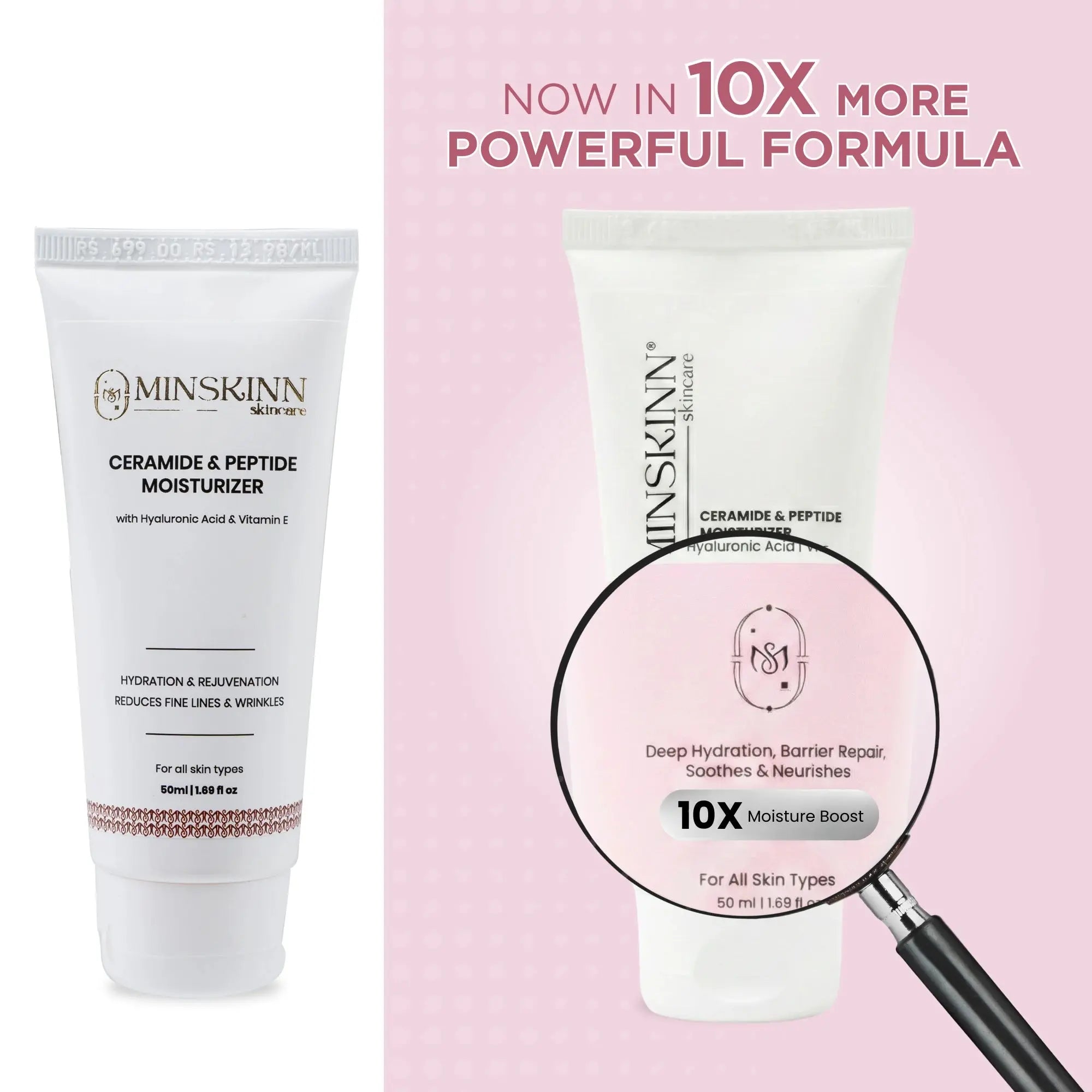
- Seal with Ceramide Peptide Moisturizer
- Finish with Mineral Sunscreen SPF 70 — essential, as Vitamin C increases photosensitivity
Vitamin C for Different Skin Concerns
Sun Spots and Freckles
Vitamin C prevents new UV-triggered spots from forming while gradually fading existing ones. Consistent morning use with SPF shows results in 6–8 weeks.
Post-Acne Marks (PIH)
Vitamin C’s anti-inflammatory action reduces the redness of fresh marks while brightening older, darker ones. Combine with Niacinamide for faster results.
Dull, Uneven Skin Tone
Even without specific dark spots, Vitamin C brightens the overall complexion by inhibiting background melanin overproduction. Most users notice a visible glow within 2–3 weeks.
Fine Lines and Early Aging
Vitamin C stimulates collagen synthesis, improving skin firmness and reducing fine lines with regular use over 3–6 months.
Common Vitamin C Mistakes to Avoid
- Skipping SPF — Vitamin C without sunscreen is significantly less effective
- Using oxidised serum — If your serum has turned orange or brown, it’s oxidised and no longer effective. Store in a cool, dark place.
- Applying too much — 2–3 drops is sufficient. More doesn’t mean faster results.
- Mixing with retinol (same routine) — Use Vitamin C in the morning and retinol at night
- Not patch testing — Especially important for sensitive skin. Test on inner arm first.
Frequently Asked Questions
Is vitamin C serum good for Indian skin?
Yes — Indian skin is particularly prone to hyperpigmentation and post-inflammatory dark marks. Vitamin C addresses both while providing antioxidant protection against sun damage, making it especially beneficial.
Can I use vitamin C serum every day?
Yes — once daily in the morning is the ideal application. It’s gentle enough for daily use and works best with consistent application.
Does vitamin C serum work on dark skin tones?
Yes — Vitamin C works on all skin tones. It inhibits melanin production regardless of baseline skin tone and is particularly effective for PIH common in darker skin tones.
How do I know if my vitamin C serum has gone bad?
It will turn yellow, orange, or brown and may smell different. Oxidised Vitamin C is ineffective. Store your serum in a cool, dark place and use within 3–6 months of opening.
Which vitamin C serum is best for beginners?
Start with a serum that combines Vitamin C with Niacinamide and Hyaluronic Acid — like Minskinn’s Brightening Serum — for effective brightening with built-in hydration and reduced irritation risk.