If you’ve ever wondered whether skipping moisturizer might help control shine, you’re not alone. Many people with oily skin believe that adding moisture will only make things worse. But is that really true?
The reality is more nuanced. Understanding how your skin works—and how hydration affects oil production—can completely change your skincare routine. Let’s uncover the truth about using an oily skin moisturizer and why it might be more essential than you think.
Why Oily Skin Still Needs Hydration
Oily skin produces excess sebum, which often leads to clogged pores, acne, and a shiny appearance. However, oil and hydration are not the same thing.
When your skin lacks water, it can actually trigger more oil production to compensate. This creates a cycle where dryness leads to increased oiliness, making your skin feel even more unbalanced.
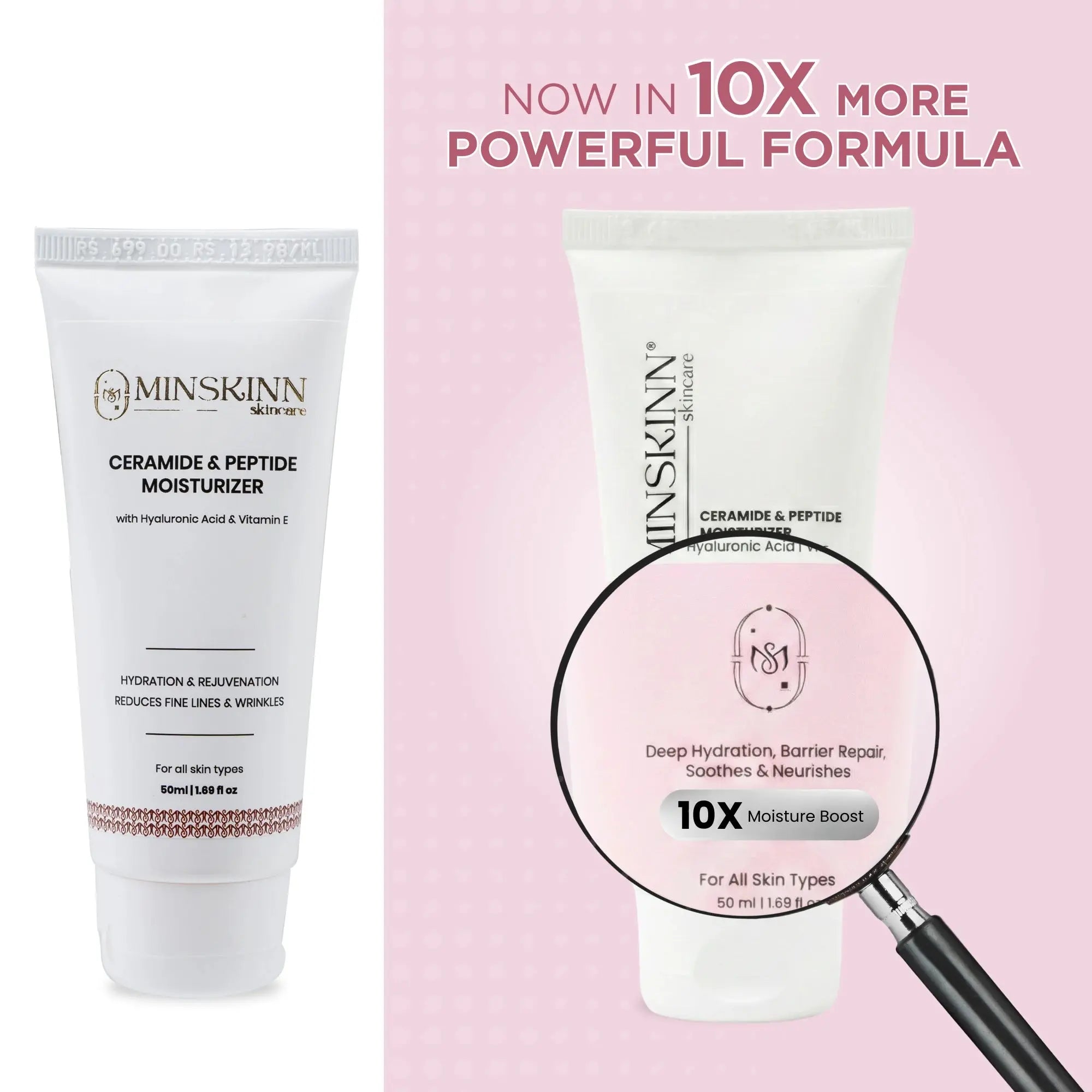
Hydration helps maintain your skin barrier, which protects against environmental damage and keeps your complexion healthy. Without it, your skin can become irritated, dehydrated, and prone to breakouts. you can check our rich, nourishing creams like this Ceramide Peptide Moisturize to restore your skin barrier.

What Happens When You Skip Moisturizer?
Skipping moisturizer might feel like a quick fix, but it often backfires. When you don’t hydrate your skin:
-
Your skin produces more oil to compensate
-
Pores become more prone to clogging
-
Breakouts can worsen
-
Skin barrier function weakens
This is why many dermatologists emphasize the importance of using an oily skin moisturizer as part of a balanced routine.
Choosing the Right Moisturizer for Oily Skin
Not all moisturizers are created equal. The key is selecting products specifically designed for oily or acne-prone skin.
Look for Lightweight Formulas
Heavy creams can feel suffocating on oily skin. Instead, opt for a best lightweight moisturizer that absorbs quickly and doesn’t leave a greasy residue. Gel-based and water-based formulas are ideal.
Non-Comedogenic Ingredients Matter
Choose products labeled “non-comedogenic,” meaning they won’t clog pores. Ingredients like hyaluronic acid, glycerin, and niacinamide are excellent for hydration without heaviness.
Avoid Pore-Clogging Additives
Stay away from thick oils, silicones, or heavy fragrances that can trigger breakouts. Simpler formulas often work better for oily skin types.
If you're exploring options for different skin types, check out our guide on top moisturizers for dry skin to understand how hydration needs vary across skin types.
Understanding Your Skin’s Needs
Many people ask, do I need moisturizer if my skin already feels oily? The answer is yes—but the type of moisturizer matters more than the quantity.
Oily skin still requires hydration to function properly. The goal isn’t to eliminate oil completely but to create balance. When your skin is properly hydrated, it often produces less excess oil over time.
Building a Simple Oily Skin Routine
Creating an effective routine for oily skin doesn’t have to be complicated. In fact, simplicity is often the key to consistency and better results. The goal is to control excess oil while maintaining proper hydration and protecting your skin barrier.
Step 1: Start with a Gentle Cleanser
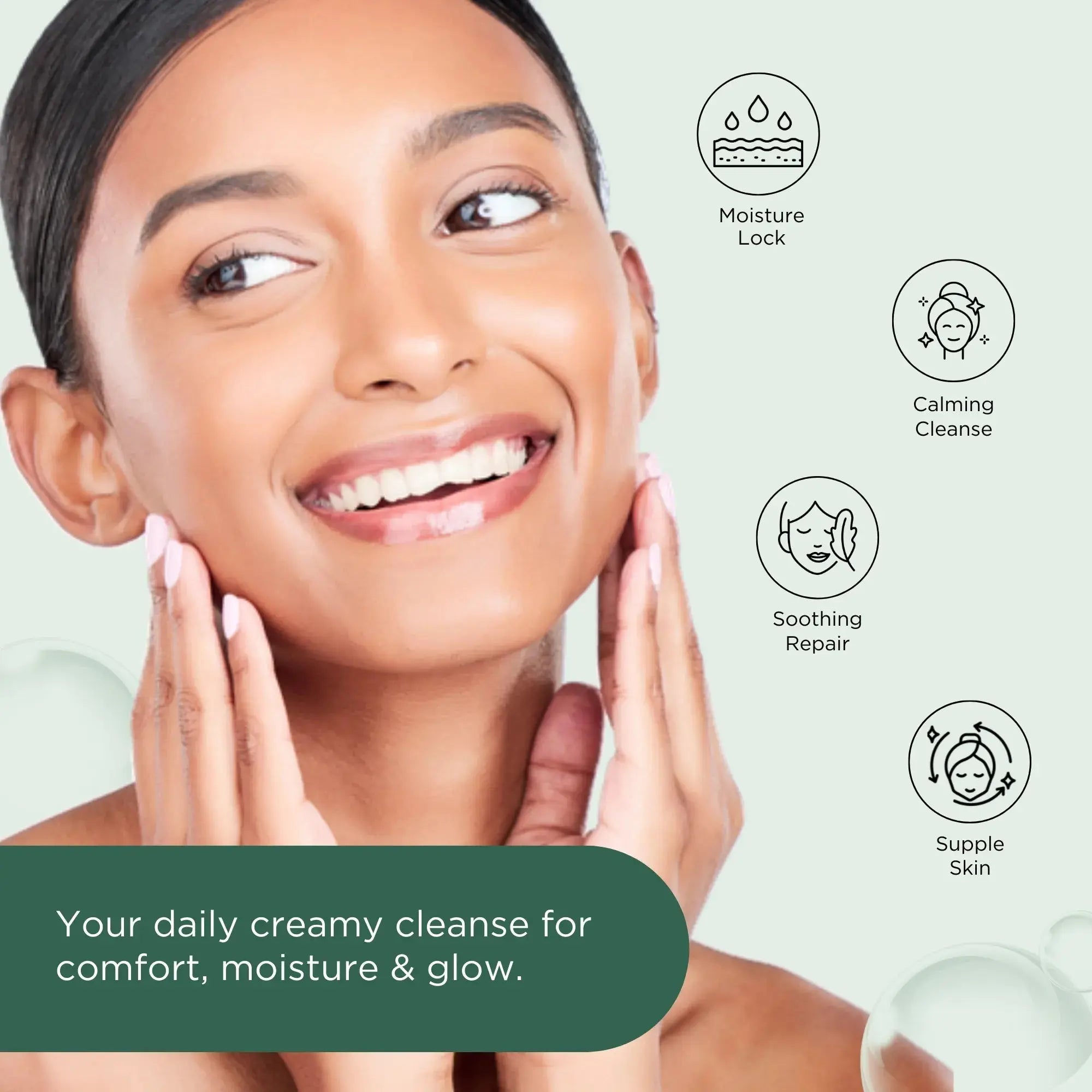
Cleansing is the foundation of any skincare routine. Use a mild, sulfate-free cleanser like a multivitamin creamy face cleanser that removes dirt, oil, and impurities without stripping your skin. Over-cleansing or using harsh products can trigger more oil production, which defeats the purpose.
Step 2: Use Targeted Treatments (Optional)
If you struggle with acne or enlarged pores, consider adding a treatment product like salicylic acid or niacinamide. These ingredients help regulate oil production, unclog pores, and improve overall skin texture without being too harsh.
Step 3: Hydrate with the Right Moisturizer
Hydration is essential—even for oily skin. Choose a lightweight, fast-absorbing moisturizer that won’t clog pores. Gel-based formulas are particularly effective because they provide hydration without heaviness, leaving your skin feeling fresh and balanced.
Step 4: Apply Sunscreen Daily
Sunscreen is non-negotiable, even if your skin is oily. Many people skip this step due to fear of greasiness, but modern sunscreens are designed to be lightweight and non-comedogenic. Look for matte or oil-free formulas to protect your skin without adding shine.
Step 5: Keep It Consistent
Consistency matters more than using too many products. Stick to your routine morning and night, and give your skin time to adjust. Sudden changes or overloading your skin with products can lead to irritation and breakouts.
Common Myths About Oily Skin and Moisturizer
There are many misconceptions about oily skin that can lead to poor skincare choices. Let’s break down some of the most common myths and uncover the truth behind them.
Myth 1: Moisturizer Makes Oily Skin Worse
One of the biggest myths is that moisturizer adds more oil to already oily skin. In reality, the right moisturizer helps balance your skin by providing hydration, which can actually reduce excess oil production over time.
Myth 2: Oily Skin Doesn’t Need Hydration
Many people assume oily skin is naturally hydrated, but that’s not always true. Your skin can be oily yet dehydrated at the same time. Lack of water in the skin can lead to irritation, dullness, and even more oil production.
Myth 3: Skipping Moisturizer Prevents Acne
Skipping moisturizer may seem like a way to prevent clogged pores, but it often backfires. When your skin is dehydrated, it produces more oil, which can clog pores and worsen acne.
Myth 4: All Moisturizers Are Too Heavy
Not all moisturizers are thick or greasy. Today, there are plenty of lightweight, oil-free options specifically designed for oily and acne-prone skin. Choosing the right formulation makes all the difference.
Myth 5: Oily Skin Will Fix Itself Over Time
While skin type can change slightly, oily skin doesn’t simply “go away.” Proper care, including cleansing and hydration, is essential to manage it effectively and maintain long-term skin health.
Benefits of Using the Right Moisturizer
Incorporating the right product into your routine can offer multiple benefits:
-
Balanced oil production
-
Improved skin texture
-
Reduced breakouts
-
Stronger skin barrier
-
Healthier overall appearance
Using an oily skin moisturizer consistently can transform how your skin looks and feels over time.
Signs You’re Using the Wrong Moisturizer
Not every product will suit your skin. Watch out for these warning signs:
-
Persistent greasiness
-
Increased breakouts
-
Heavy or sticky feeling
-
Clogged pores
If you notice these issues, switch to a lighter formulation that better suits your skin type.
How to Apply Moisturizer Correctly
Application matters just as much as the product itself.
-
Apply on slightly damp skin for better absorption
-
Use a small amount—more isn’t always better
-
Gently massage into the skin without rubbing harshly
Consistency is key. Even the best products won’t work if used inconsistently.
Conclusion
Taking care of oily skin doesn’t mean avoiding moisture—it means choosing the right kind. Hydration plays a crucial role in keeping your skin balanced, reducing excess oil, and preventing breakouts. When you skip this step, your skin often reacts by producing even more oil, making the problem worse.
The key is to focus on lightweight, non-comedogenic products that deliver hydration without heaviness. With the right approach, you can maintain a healthy glow without unwanted shine. Incorporating an oily skin moisturizer into your daily routine can make a noticeable difference in both texture and overall skin health. Stick to a consistent routine, listen to your skin’s needs, don’t hesitate to explore more Organic skincare products to find what works best for you. and you’ll be well on your way to achieving a clearer, more balanced complexion.
Frequently Asked Questions
1. Can oily skin skip moisturizer completely?
Skipping moisturizer may seem helpful, but it often causes your skin to produce more oil to compensate. This can lead to clogged pores and breakouts. Hydrating your skin properly helps maintain balance and improves overall skin health.
2. What type of moisturizer is best for oily skin?
Lightweight, water-based, or gel moisturizers are ideal. They hydrate without clogging pores or leaving a greasy residue. Look for non-comedogenic formulas with ingredients like hyaluronic acid or niacinamide for best results.
3. How often should I moisturize oily skin?
You should moisturize twice daily—once in the morning and once at night. Consistent hydration helps regulate oil production and supports your skin barrier, reducing the chances of excess shine and breakouts over time.
4. Will moisturizer make my acne worse?
Using the wrong product can worsen acne, but the right one can actually help. Choose oil-free, non-comedogenic formulas designed for acne-prone skin to keep your pores clear while maintaining hydration.
5. Why is an oily skin moisturizer important in a routine?
An oily skin moisturizer helps balance hydration and oil production, preventing your skin from overcompensating. It also strengthens the skin barrier, reduces irritation, and supports a clearer, healthier complexion when used consistently.