Protecting your skin from the sun's harmful ultraviolet (UV) rays is crucial for maintaining healthy and youthful skin. Mineral sunscreens, also known as physical sunscreens, have gained popularity for their gentle and effective sun protection. Understanding the differences between zinc oxide and titanium dioxide helps you choose the best mineral sunscreen for your sensitive skin needs.
What Are Mineral Sunscreens?
Mineral sunscreens are formulated with natural mineral compounds that physically block UV radiation by reflecting it away from the skin. Unlike chemical sunscreens which absorb UV rays and convert them into heat, mineral sunscreens create a protective barrier on the skin's surface — particularly suitable for sensitive and reactive skin types.
Benefits of Mineral Sunscreens for Sensitive Skin
- Gentle on the Skin: Less likely to cause irritation or allergic reactions.
- Immediate Protection: Provides instant protection upon application, no waiting required.
- Broad-Spectrum Protection: Shields skin from both UVA and UVB rays.
Zinc Oxide vs Titanium Dioxide: Key Differences
Zinc Oxide
A naturally occurring mineral with comprehensive UV protection covering both UVA and UVB rays. It has anti-inflammatory properties that soothe sensitive skin and is non-comedogenic.
Titanium Dioxide
Effective primarily against UVB and short UVA rays. Lightweight with a more transparent finish, making it ideal for daily use. Less soothing than zinc oxide but gentler overall.
Sun Protection Spectrum
Zinc Oxide provides full-spectrum protection; Titanium Dioxide offers excellent UVB protection with partial UVA coverage.
Cosmetic Appearance
Zinc Oxide may leave a slight white cast, though modern formulations have improved. Titanium Dioxide generally provides a more transparent finish.
How to Choose the Best Mineral Sunscreen for Sensitive Skin
- Broad-Spectrum Coverage: Both UVA and UVB protection. A combination of zinc oxide and titanium dioxide gives comprehensive coverage.
- SPF Rating: SPF 30 or higher for adequate daily protection.
- Formulation: Hypoallergenic, non-comedogenic, fragrance and paraben-free to minimize irritation.
- Texture and Finish: Matte finish for oily skin, hydrating formula for dry skin.
Incorporating Mineral Sunscreen into Your Morning Routine
Step 1: Cleanse

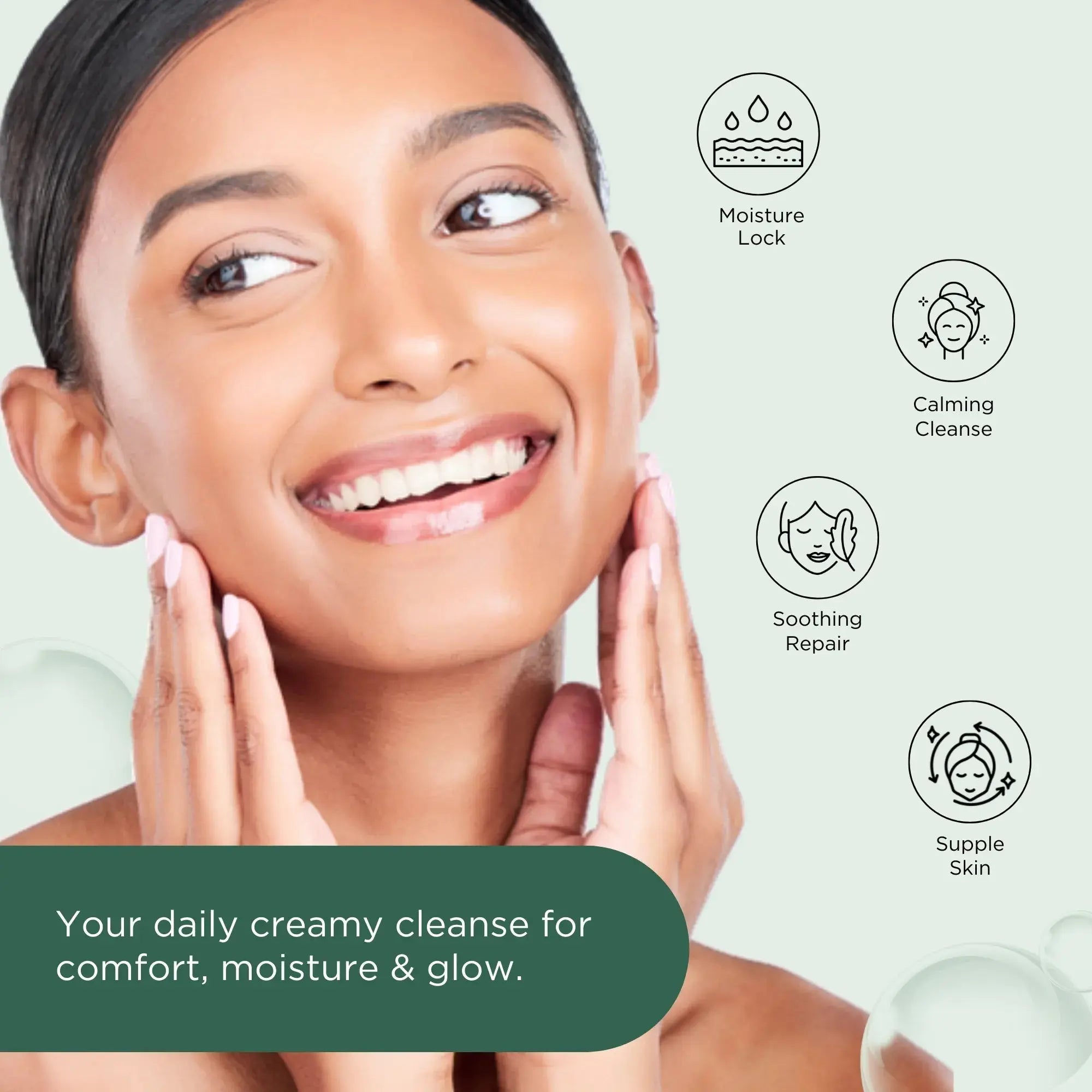
Start with Minskinn Multivitamin Creamy Face Cleanser to remove overnight impurities.
Step 2: Tone

Apply Minskinn Hydrating Toner to balance skin pH.
Step 3: Serum

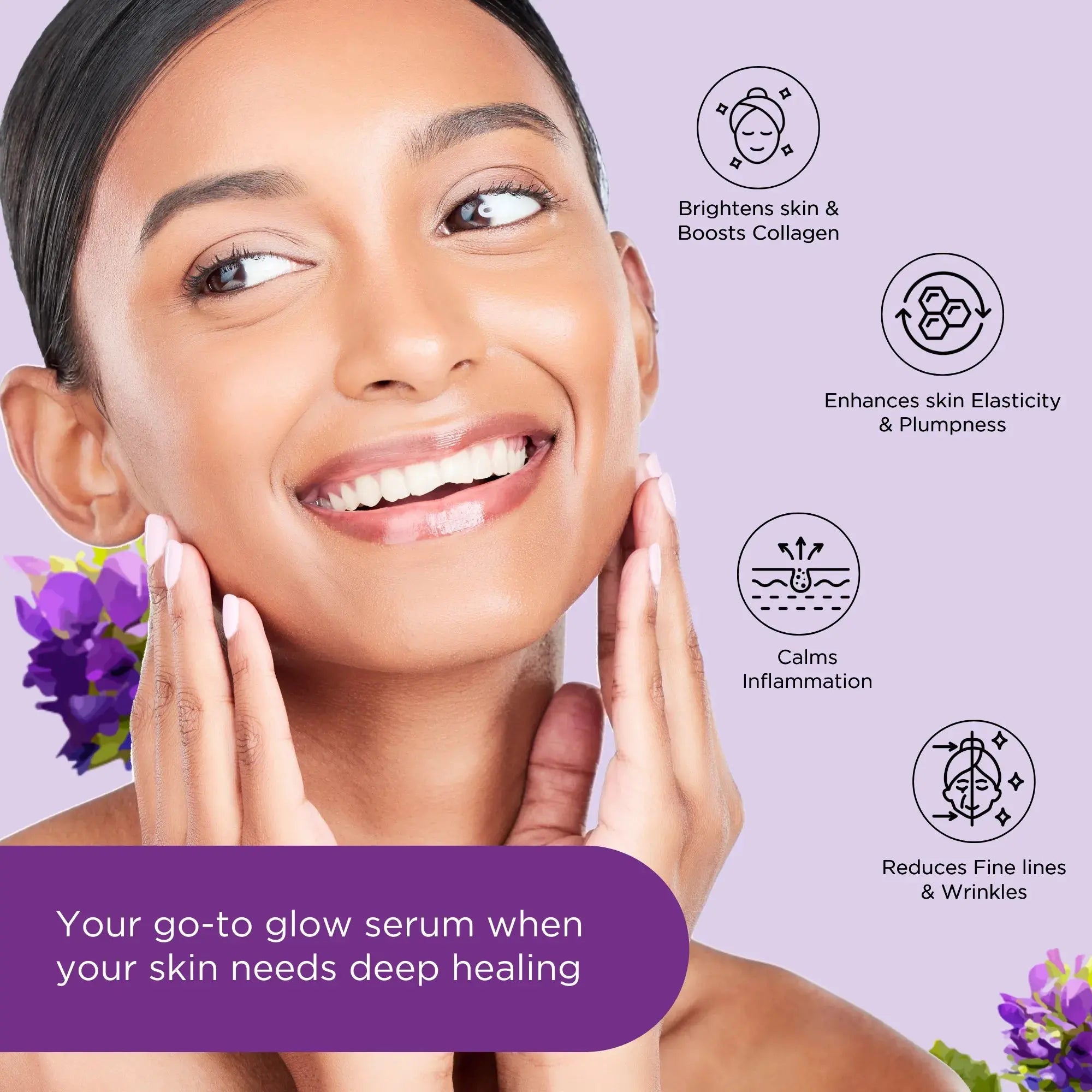
Use Minskinn Brightening Serum to address dullness and uneven skin tone.
Step 4: Moisturize

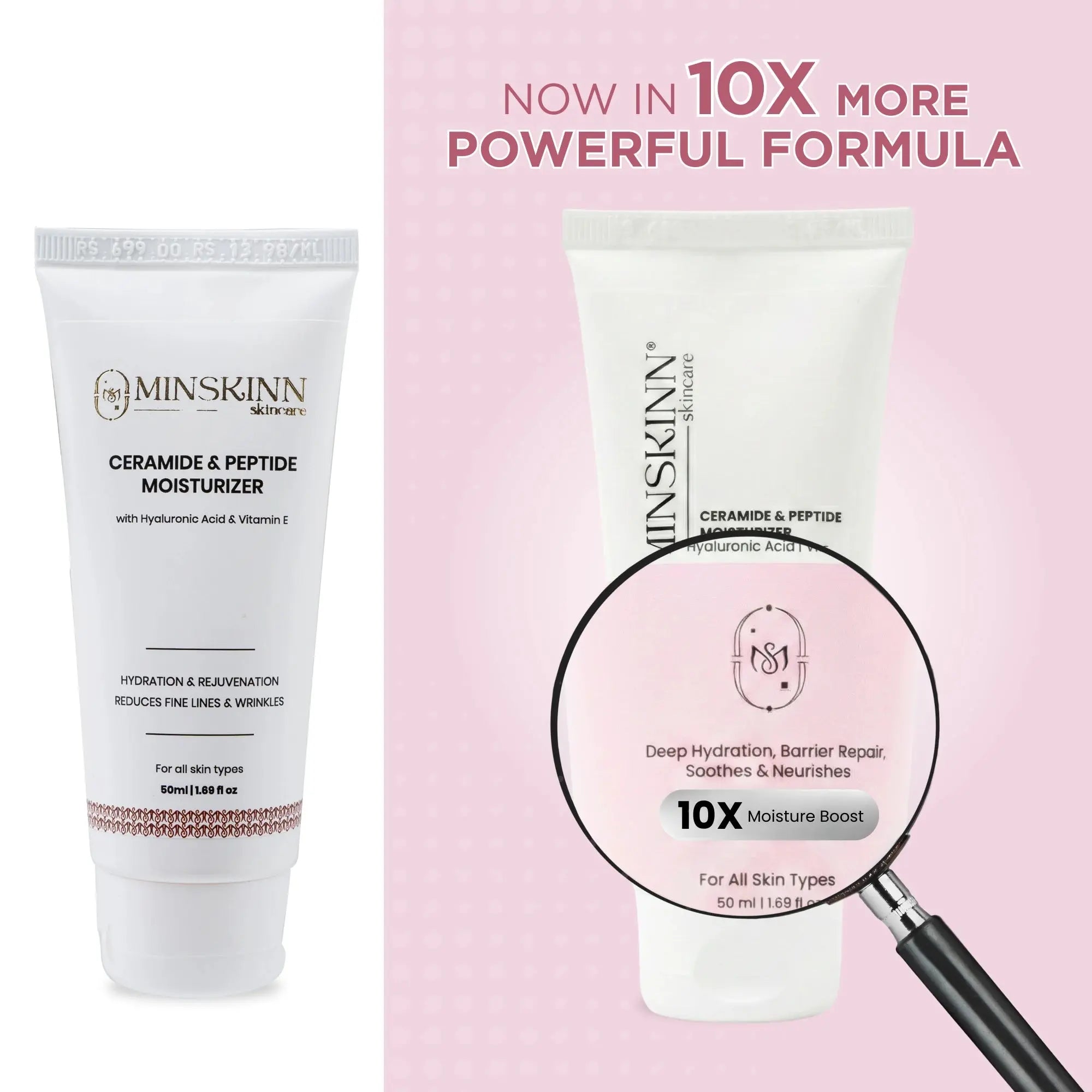
Lock in hydration with Minskinn Ceramide Peptide Moisturizer.
Step 5: Sunscreen

Finish with Minskinn Mineral Sunscreen SPF 70.
Myths About Mineral Sunscreens
Myth: Leave a white cast. Fact: Modern formulations with micronized particles minimize this effect.
Myth: Nanoparticles are unsafe. Fact: Research shows nanoparticles remain on the skin's surface and are safe.
Myth: Only for dry skin. Fact: Work well for all skin types including oily and combination.
Which Is Right for You?
For extremely reactive skin or redness/rosacea: zinc oxide only. For oily skin needing a matte finish: combination of both. For anti-aging: look for ceramides alongside SPF. For acne-prone skin: non-comedogenic formula — both zinc oxide and titanium dioxide qualify.
Conclusion
Zinc oxide stands out for comprehensive UV coverage and soothing properties; titanium dioxide provides lightweight protection for everyday use. Explore Minskinn’s sunscreen collection for the best mineral sunscreen for your sensitive skin.
Frequently Asked Questions
What is the difference between Zinc Oxide and Titanium Dioxide in sunscreens?
Zinc Oxide provides broader spectrum protection including UVA and UVB; Titanium Dioxide mainly protects against UVB rays. Both are gentle on sensitive skin.
Can Zinc Oxide be used for sensitive skin?
Yes — it is gentle and offers effective UVA and UVB protection without irritation, ideal for sensitive skin types.
Which is better for oily skin?
Zinc Oxide is often preferred for oily skin due to its mattifying properties that help reduce shine.
Does Zinc Oxide provide full-spectrum sun protection?
Yes — Zinc Oxide provides full-spectrum UVA and UVB protection, making it reliable and gentle for sensitive skin.
Can I use a Zinc Oxide sunscreen if I have acne-prone skin?
Yes — it is non-comedogenic, doesn’t clog pores, and helps soothe inflammation.
Is Titanium Dioxide safe for sensitive skin?
Yes — it is safe for sensitive skin and provides effective protection with minimal irritation.
What are the benefits of mineral sunscreen over chemical sunscreen?
Mineral sunscreens sit on the skin's surface and block UV rays physically, making them gentler and less likely to cause irritation versus chemical sunscreens that absorb UV rays.