


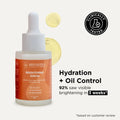
Vitamin C Serum | Brightening Serum
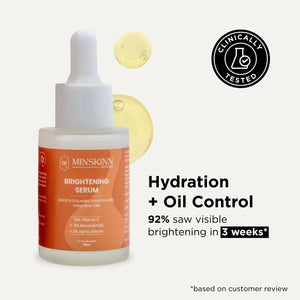
10% Vitamin C, 5% Niacinamide, and 2% Alpha Arbutin, boost youthful glow
Add Any 4 desired products & get lowest cost products free
Get Free Vitamin C Serum
Size:
Why You'll Love It
Works Best For
Build your routine
Add products, unlock bigger discounts
-
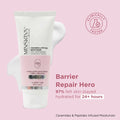
Barrier Repair Ceramide Peptide Moisturizer
Rs. 699.00
-
 Included
Vitamin C Serum | Brightening Serum CORE
Rs. 849.00
-
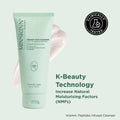
Multivitamin Creamy Face Cleanser with Mugwort for Soft & Hydrated Skin
Rs. 349.00
-
Barrier Repair Ceramide Peptide Moisturizer
Rs. 699.00
-
Multivitamin Creamy Face Cleanser with Mugwort for Soft & Hydrated Skin
Rs. 349.00
-
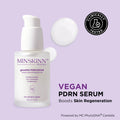
Vegan PDRN Serum with Centella Bakuchiol Ceramides
Rs. 1,249.00
-
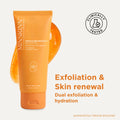
Papaya Enzyme Scrub BHA PHA Peel
Rs. 649.00
Take the time youdeserve, and let beauty shine within you
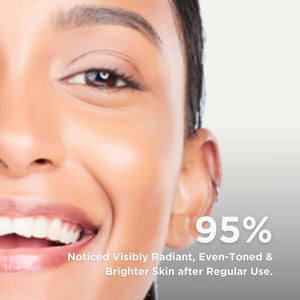
Clinical Results (Tested On: 50 People)
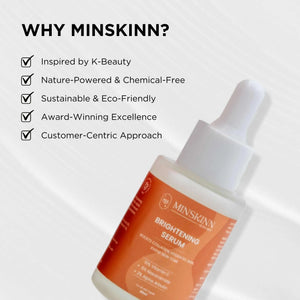
Clinical actives, made for Indian skin.
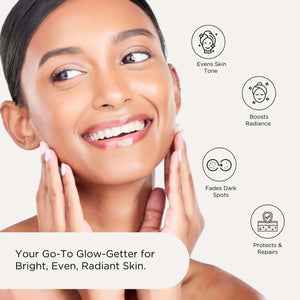
Day 1: Enjoyed an instant boost in radiance and a healthy glow.
Day7: Reported a more even skin tone and decreased morning dullness.
Day 14: Saw stubborn dark spots visibly fade for a brighter Tone Correction.

 After 2 monthsBefore
Designed by Dermatologists
Expert-formulated for Indian skin
Honest Ingredient Disclosure
Every active listed, nothing hidden
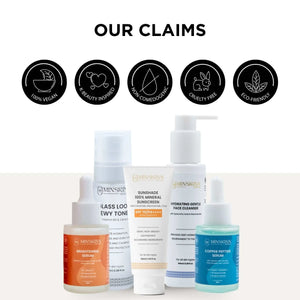
Safe & Effective
FDA approved · Vegan · Non-comedogenic
Clinically Tested
Dermatologist tested, proven results
Certified
India FDA Approved
Description
Unlock Radiance with Vitamin C Serum
What is Vitamin C Serum?
Vitamin C serum is a concentrated skincare product that delivers potent antioxidants directly to your skin. It aids in neutralizing free radicals, which can damage skin cells and lead to premature aging. When applied regularly, this serum helps to brighten your complexion, reduce dark spots, and enhance overall skin tone. Because it’s lightweight and absorbs quickly, it's a great addition to your daily skincare routine.
Benefits of Using Vitamin C Serum
This serum provides multiple benefits, so it's no wonder it's a favorite among skincare enthusiasts. Firstly, its brightening properties help to improve the skin’s appearance by fading hyperpigmentation and even allowing your natural glow to shine through. Secondly, Vitamin C aids in collagen synthesis, promoting a firmer skin texture. Because of these benefits, you not only look better but also feel more confident.
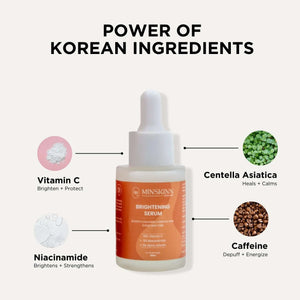
Infused with 10% vVitamin C and 5% Niacinamide and 2% Alpha Arbutin, brightening face serum targets hyperpigmentation, dark spots, and uneven skin tone.
How to Incorporate Vitamin C Serum into Your Routine
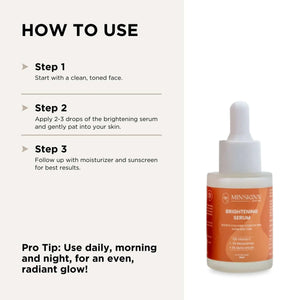
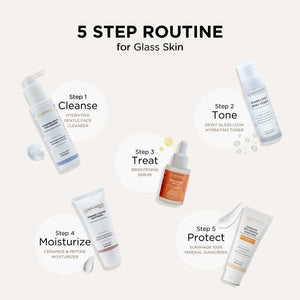
To maximize the benefits of Vitamin C serum, apply it after cleansing and before moisturizing. Use a few drops and gently massage it into your skin. However, always apply sunscreen during the day, as Vitamin C can increase your skin's sensitivity to the sun. Consistent use will help you achieve a radiant and youthful complexion over time, so include it as a staple in your skincare arsenal.

Benefits
Ingredients
FAQs

Vitamin C / 3-o Ethyl Ascorbic Acid

Niacinamide

Alpha Arbutin

Caffeine


Recognized for Innovation. Trusted for Results

Minskinn was honored with the Entrepreneurial Spirit Award, presented by industry leader Aman Gupta at the Global Business Conclave, for pioneering high-performance, active skincare formulations. We don't believe in diluted fillers every bottle is packed with pure, bio-active ingredients engineered to deliver visible skin repair.