1. What is PDRN in skincare?
PDRN stands for Polydeoxyribonucleotide. It consists of DNA fragments that help stimulate cell regeneration and repair damaged tissue. It is widely used in barrier repair face serums to speed up the skin's natural healing process.
2. Is PDRN derived from salmon sperm?
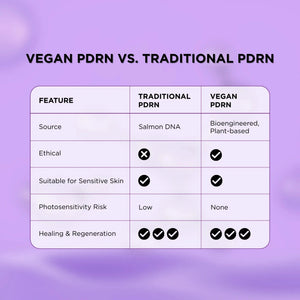
Traditionally, yes. Most clinical PDRN is extracted from salmon DNA because it closely resembles human DNA. However, modern innovations have led to high-performance vegan PDRN serums derived from plant sources like algae or yeast.
3. Does PDRN serum really work?
Yes. Clinical studies show that PDRN effectively promotes collagen synthesis and reduces inflammation. It is considered one of the best PDRN serum ingredients for cellular-level skin recovery.
4. What are the benefits of PDRN for the skin?
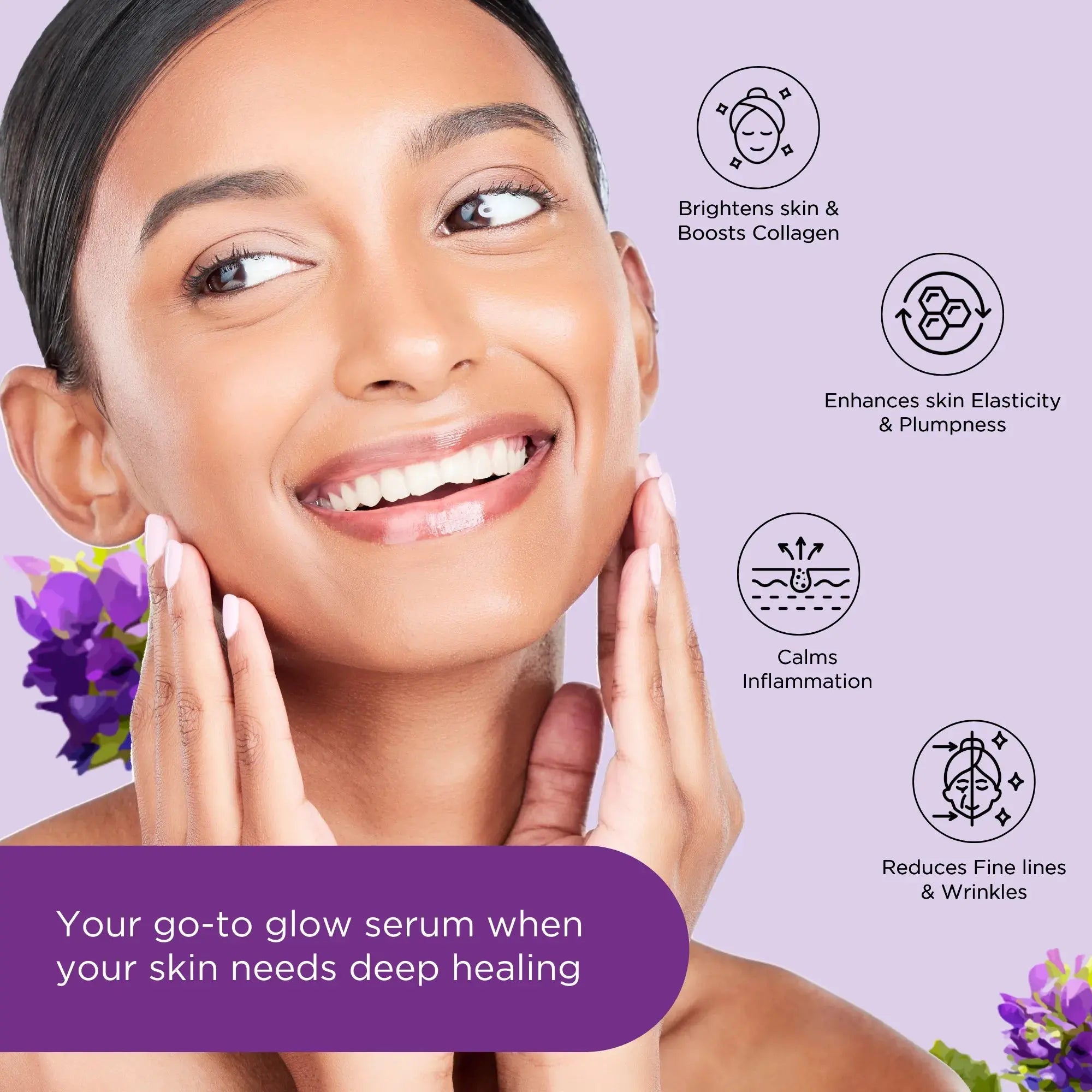
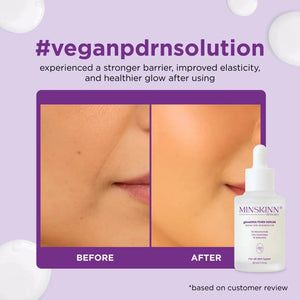
The primary PDRN serum benefits include intense hydration, improved skin elasticity, faster wound healing, and a reduction in fine lines. It acts as a bio-stimulator to "wake up" tired skin cells.
5. Is PDRN safe to use?
PDRN is highly biocompatible and generally considered very safe for topical use, even on sensitive skin, as it mimics the body's own repair molecules.
6. What are the possible side effects of PDRN serum?
Side effects are rare but can include mild redness or tingling upon application. Since it is often found in anti-aging serums for sensitive skin, it is usually much better tolerated than harsh acids.
7. Who is a good candidate for PDRN?
Anyone looking to treat signs of aging, scarring, or a compromised skin barrier. It is especially beneficial for those who find traditional anti-aging ingredients too irritating.
8. How long does it take to see results from PDRN?
While hydration is immediate, the regenerative effects (like firmer skin) typically take 4 to 6 weeks of consistent use as your skin cells go through their natural turnover cycle.
9. How long do PDRN results last?
Because PDRN works at a cellular level to repair the skin, the results are long-lasting. However, continued use is recommended to combat ongoing environmental damage and aging.
10. What is vegan PDRN?
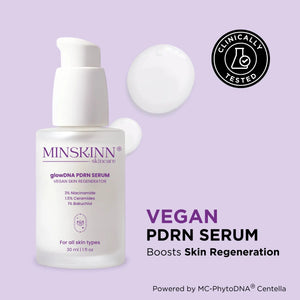
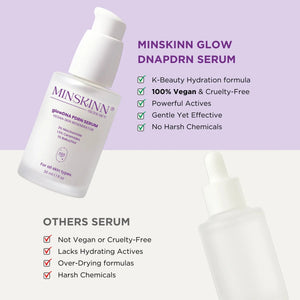
Vegan PDRN is a plant-based alternative that offers the same DNA-repairing benefits without the use of animal-derived ingredients. It is the core of any high-quality pdrn vegan serum.
11. What is the difference between salmon PDRN and vegan PDRN?
Salmon PDRN is the traditional medical standard, while vegan PDRN is a sustainable, cruelty-free alternative. Both serve to bio-stimulate the skin, though vegan versions are often preferred by those with ethical or sustainability concerns.
12. What is the difference between PDRN and retinol?
Retinol speeds up cell turnover and can be irritating. PDRN focuses on cell repair and regeneration without the "retinol burn," making it a safer anti-aging serum for sensitive skin.
13. Which is better for anti-aging: retinol or PDRN?
They serve different purposes. Retinol is a "gold standard" for resurfacing, but a bakuchiol PDRN serum is often better for those who want anti-aging results combined with deep barrier repair and zero irritation.
14. How do you use PDRN serum?
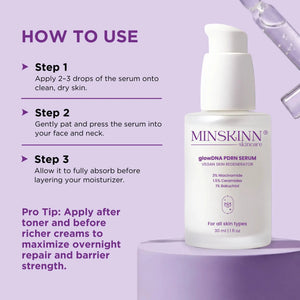
After cleansing and toning, apply a few drops to the face and neck. Gently pat it in until absorbed. For maximum benefit, look for a bakuchiol serum blend to get both resurfacing and repair in one step.
15. How many times a day should you use PDRN serum?
For best results, use it twice daily—once in the morning to protect the skin and once at night to aid in repair.
16. When should I use PDRN serum in my skincare routine?
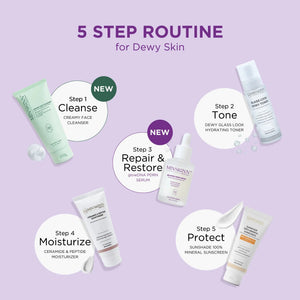
Apply it after your cleanser/toner and before your moisturizer. As a lightweight pdrn vegan serum, it needs to be close to the skin for maximum absorption.
17. Do I need to apply moisturizer after PDRN?
Yes. While it provides deep hydration, a moisturizer "locks in" the serum and supports the barrier repair process.
18. Can I apply moisturizer after serum at night?
Absolutely. In fact, it is encouraged. Applying a night cream over your anti-aging serum helps prevent trans-epidermal water loss while you sleep.
19. What should you avoid after applying serum?
Avoid using very harsh physical scrubs or high-percentage acid peels immediately after, as you want to let the PDRN soothe and heal the skin undisturbed.
20. Can I use PDRN with Bakuchiol?
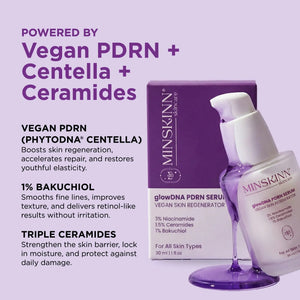
Yes! Combining them creates a powerhouse bakuchiol pdrn serum. Bakuchiol provides retinol-like results (smoothing texture), while PDRN handles the deep cellular repair, making it the ultimate duo for a vegan anti-aging serum.