Healthy, radiant skin often begins with proper exfoliation. While chemical treatments and harsh scrubs can deliver fast results, many people are turning toward fruit-based skincare for gentler alternatives. One standout option is papaya face scrub, a natural solution that supports smoother texture and enhanced brightness without overwhelming the skin barrier.
Papaya contains enzymes, antioxidants, and vitamins that work together to dissolve buildup and refresh the complexion. When used correctly, it offers an effective yet balanced approach to maintaining clarity and glow. This guide explores how papaya-based exfoliation works, its key benefits, and how to incorporate it safely into your routine. Brands like Minskinn focus on clean, skin-barrier-friendly formulations that support gentle exfoliation and long-term skin health.
Why Exfoliation Is Essential for Healthy Skin
Your skin naturally sheds dead cells every 28–40 days. However, factors such as pollution, aging, and product buildup can slow this process. When dead skin accumulates, it may lead to dullness, clogged pores, and uneven texture.
Exfoliation helps:
-
Remove surface debris
-
Support cell turnover
-
Improve product absorption
-
Refine skin texture
-
Enhance radiance
Choosing the right exfoliant makes all the difference. Overly abrasive products can disrupt the skin barrier, while gentle fruit enzymes offer a more balanced solution.
What Makes Papaya a Powerful Skincare Ingredient?
Papaya is rich in papain, a natural enzyme that breaks down protein bonds in dead skin cells. This allows them to slough off more easily without aggressive scrubbing.
In addition to papain, papaya contains:
-
Vitamin A to promote smoother texture
-
Vitamin C to brighten the complexion
-
Antioxidants to protect against environmental stress
-
Natural alpha hydroxy acids (AHAs) to support mild resurfacing
These properties make it a highly effective ingredient for gentle exfoliation.

How Papaya Face Scrub Supports Natural Skin Renewal
Unlike harsh grain-based products, papaya face scrub works primarily through enzymatic exfoliation. The enzymes dissolve dead skin cells rather than manually scraping them away. This method reduces the risk of irritation while still delivering visible results.
Gentle Yet Effective Exfoliation
Because enzymes target only the outermost layer of dead skin, the process is controlled and less likely to cause micro-tears. This makes it suitable for individuals who find traditional scrubs too abrasive.
Brightening and Tone Improvement
Regular use helps reveal fresher skin beneath the surface. As dull buildup is removed, skin appears more luminous and even-toned. This is why many consider it a reliable scrub for glowing skin when used consistently.
Improved Product Absorption
By clearing away debris, active ingredients in serums and moisturizers penetrate more effectively. This enhances the performance of the rest of your skincare routine.
Papaya vs. Traditional Exfoliating Products
There are two main types of exfoliation: natural and chemical. A typical exfoliating face scrub relies on granules or beads to manually polish the skin. While effective, these can be too harsh for sensitive or acne-prone skin.
Papaya-based formulas, on the other hand, combine mild physical polishing with enzymatic action. This dual approach ensures thorough exfoliation without excessive friction.
Additionally, many papaya products are formulated as a natural face scrub, incorporating botanical extracts and nourishing oils to maintain hydration during the exfoliation process.

The Science Behind Papain Enzyme
Papain, the active enzyme in papaya, breaks down keratin protein found in dead skin cells. By loosening the bonds between these cells, papain helps them detach more easily from the surface.
A papaya enzyme face scrub works similarly to mild chemical exfoliants but with less risk of over-exfoliation when used correctly. Because enzymes are self-limiting, they become less active once the dead cells are removed, making them inherently gentler than strong acids.
This mechanism makes papaya ideal for maintaining clarity without compromising the protective barrier.
How to Use Papaya Scrub Safely
Even gentle exfoliants should be used mindfully. Overuse can still lead to dryness or sensitivity.
Step-by-Step Application
-
Cleanse your skin thoroughly.
-
Apply a thin, even layer of product.
-
Massage gently for 30–60 seconds.
-
Leave on for a few minutes if directed.
-
Rinse with lukewarm water and pat dry.
-
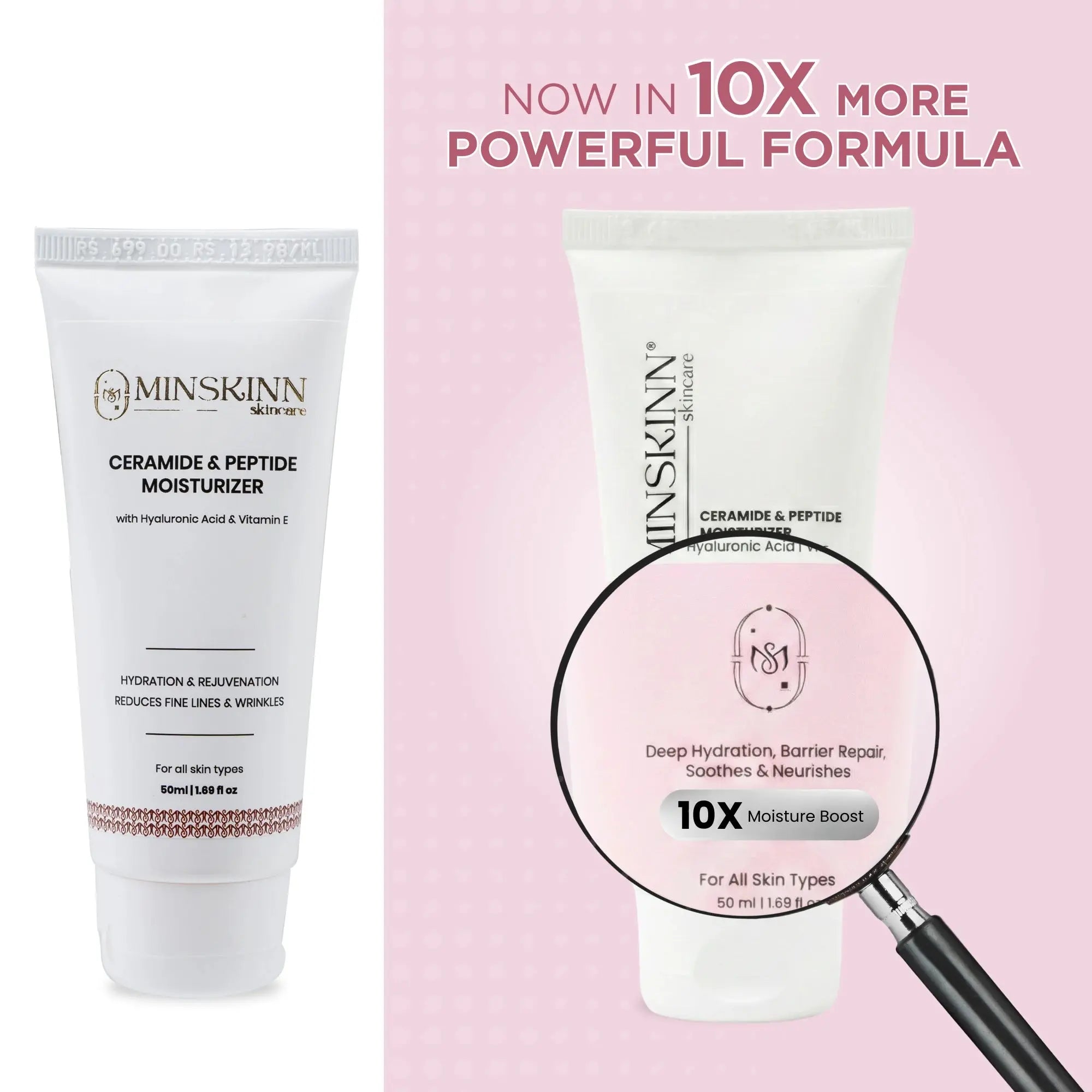
Follow with moisturizer and sunscreen (morning use). Using a ceramide-rich moisturizer, such as the Ceramide Peptide Moisturizer from Minskin, helps restore hydration and strengthen the skin barrier after exfoliation.
Frequency Guidelines
-
Oily or combination skin: 2–3 times per week
-
Normal skin: 1–2 times per week
-
Sensitive skin: Once weekly
Always patch tests before full application, especially if you have reactive skin.
Who Can Benefit Most from Papaya-Based Exfoliation?
Papaya-based exfoliation works well for:
-
Dull or uneven skin tone
-
Mild hyperpigmentation
-
Clogged pores
-
Rough texture
-
Early signs of aging
Because enzymatic exfoliation is gentler than many acid peels, it can suit individuals who want gradual improvement without aggressive resurfacing treatments.
However, those with active irritation, open wounds, or severe rosacea should consult a dermatologist before introducing new exfoliants.
Long-Term Benefits of Consistent Use
When incorporated into a balanced routine, enzyme exfoliation supports cumulative improvements in clarity and smoothness.
Over time, users may notice:
-
Brighter overall complexion
-
Reduced appearance of dark spots
-
Softer texture
-
More refined pores
-
Enhanced glow
Consistency and moderation are key. Pair exfoliation with hydration and sun protection for best results.
Conclusion
Incorporating papaya face scrub into your skincare regimen offers a gentle yet effective way to maintain clarity and radiance. Thanks to natural enzymes like papain, it dissolves dead skin buildup without aggressive friction, supporting smoother texture and improved tone over time. Unlike harsher methods, enzyme-based exfoliation respects the skin barrier while still delivering visible results. When used in moderation and paired with hydration and daily sun protection, this fruit-powered solution can enhance overall glow and promote long-term skin health. As with any exfoliant, consistency and mindful application are essential for achieving clear, luminous skin safely and sustainably.
Frequently Asked Questions
1. Is papaya face scrub suitable for sensitive skin?
Yes, papaya face scrub can be appropriate for sensitive skin when used sparingly. Its enzymatic action is typically gentler than harsh physical exfoliants. However, performing a patch test first is essential to avoid unexpected irritation.
2. How often should I use a papaya-based exfoliator?
Most skin types benefit from using it one to three times weekly. Over-exfoliating can weaken the skin barrier, so monitor how your skin responds and adjust frequency accordingly.
3. Can it help with acne and clogged pores?
Enzymes in papaya help remove dead cells that contribute to clogged pores. While it may support clearer-looking skin, it should complement—not replace—targeted acne treatments.
4. Does papaya exfoliation lighten dark spots?
Papaya contains natural enzymes and vitamin C, which can gradually improve the appearance of uneven tone. Consistent use, along with sun protection, enhances visible brightening over time.
5. Can I combine papaya exfoliation with other active ingredients?
Yes, but avoid layering it with strong acids or retinoids on the same day. Alternating days helps minimize irritation and preserves skin balance.